
 English
LOSS PREVENTION GUIDANCE – CARRIAGE OF CEMENT
Published: 8 April 2026
The volume of seaborne cement traded continues to grow, with the most recent annual figure estimated to be over 145 million tonnes. Cement is carried on board ships either in bulk or in bags. Bulk cement is transported on dedicated cement carriers or on bulk carriers. Dedicated cement carriers are loaded by connecting the shoreside manifold to the ship’s pneumatic system via flexible hoses, transferring cement from shore silos into the cargo holds. During discharge, a closed-system self-unloader is used, in which compressed air fluidises the cement and the cargo is then discharged into the shore pipeline using a powerful vacuum created by a compressor. This system effectively addresses issues related to dust generation and cement hardening. However, loading cement on conventional bulk carriers, whether in bulk or in bags, presents significant operational challenges.
CEMENT IN BULK
Cement can stick and remain after discharge in recessed areas of the tank top, such as manhole cover areas and any indentations on bulkheads. Recessed areas on the tank top should be covered with plastic sheets and secured with tape. Residues of previous cargoes, such as sugar, can affect the characteristics of cement cargo; therefore, cargo holds should be thoroughly washed and dried. Bilges should be clean, dry, and protected against ingress of cargo.
Risk factors of loading cement in bulk include solidification of the cargo due to water ingress, mainly through hatch covers or the bilge/ballast system. Weather tightness of hatch covers, and the correct functioning of non-return valves and other valves should be ensured to prevent water ingress. Hatch cover ultrasonic sealing tests should be carried out to detect potential leakage.
When cement is loaded directly from the production plant, it may have a temperature of around 110°C when leaving production. It is recommended that the loading temperature of the cement does not exceed 80°C, to reduce the chance of hold coating damage. The temperature of the cement should be measured prior to loading using an infrared thermometer.
Cement should not be handled during precipitation. Weather conditions should be monitored
Dust generated during cargo handling is another major issue with cement cargo, especially when handling is carried out with open hatches. Precautionary measures are required to protect machinery, equipment, and accommodation spaces from dust. Scuppers should be blocked to prevent clogging caused by cement settling and hardening. Ship staff must wear appropriate personal protective equipment (PPE) to protect themselves from dust during cargo handling.
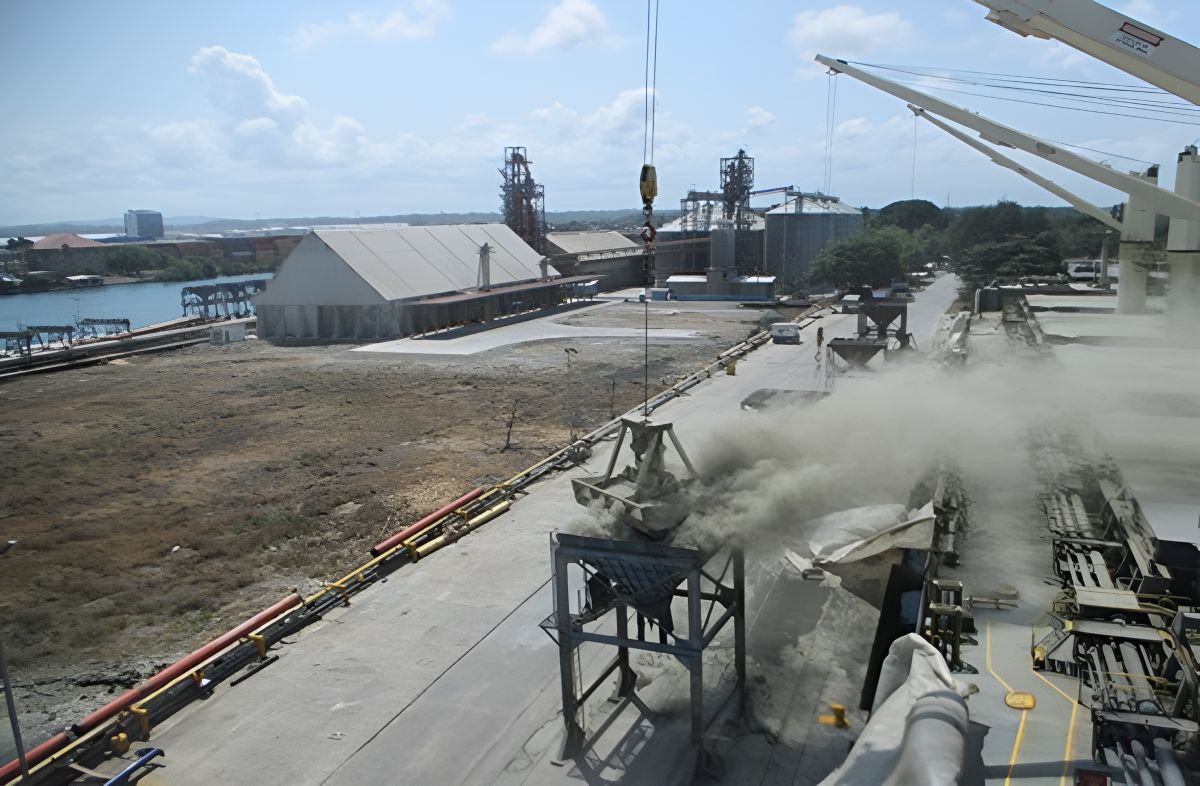 Figure 1 – Dust generated during cement handling using grabs
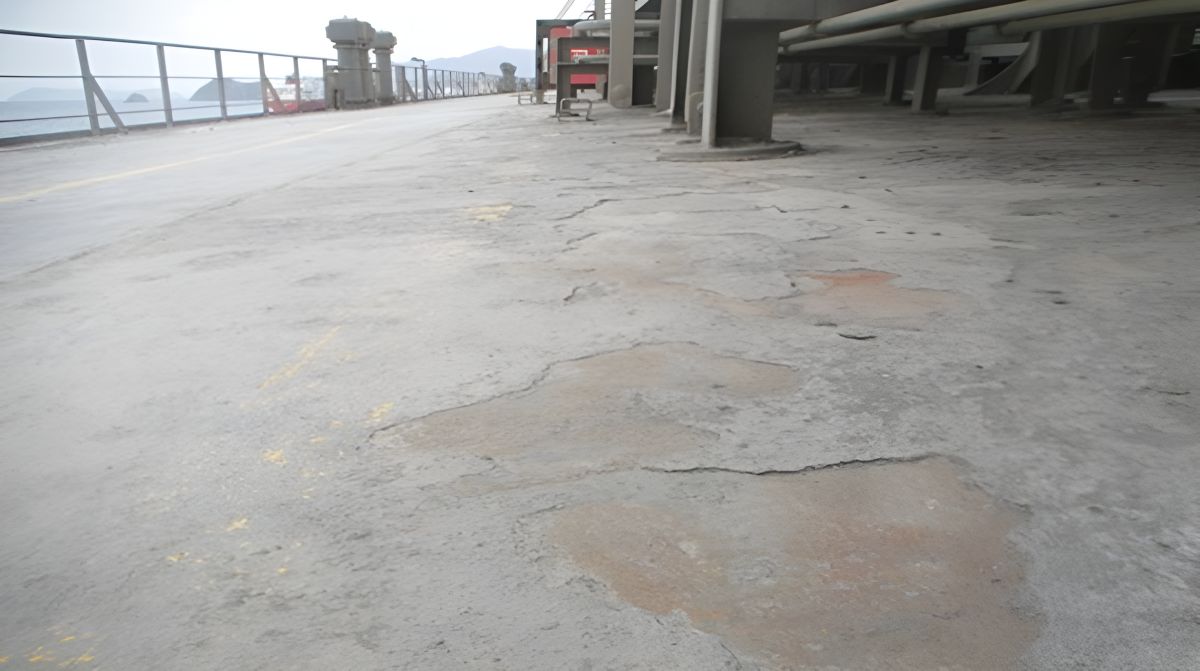 Figure 2 – Solidified cement on deck
Once loading is finished, and if local regulations permit, all hatch coaming trackways, drainage channels, and drain holes should be brushed and cleaned using compressed air to remove cement. Any remaining cement in drain channels or drain holes may solidify in the event of water ingress through the hatch compression bar and subsequently leak, wetting the cargo inside.
The main deck, pipelines, exposed equipment, and machinery should be cleaned. It is common that is used for rapid cleaning, but this must always be done with full safety precautions. All vents and accesses to the cargo holds should be sealed. The bilge system should not be operated; fixed bilge pumping systems should remain isolated, and associated valves should be sealed and recorded.
Some ports employ atomised water mist cannons during open-hatch discharge of cement as an effective measure to control cement dust. This system should be closely monitored while in use to ensure proper operation and to prevent any unintended spray of water into the cargo.
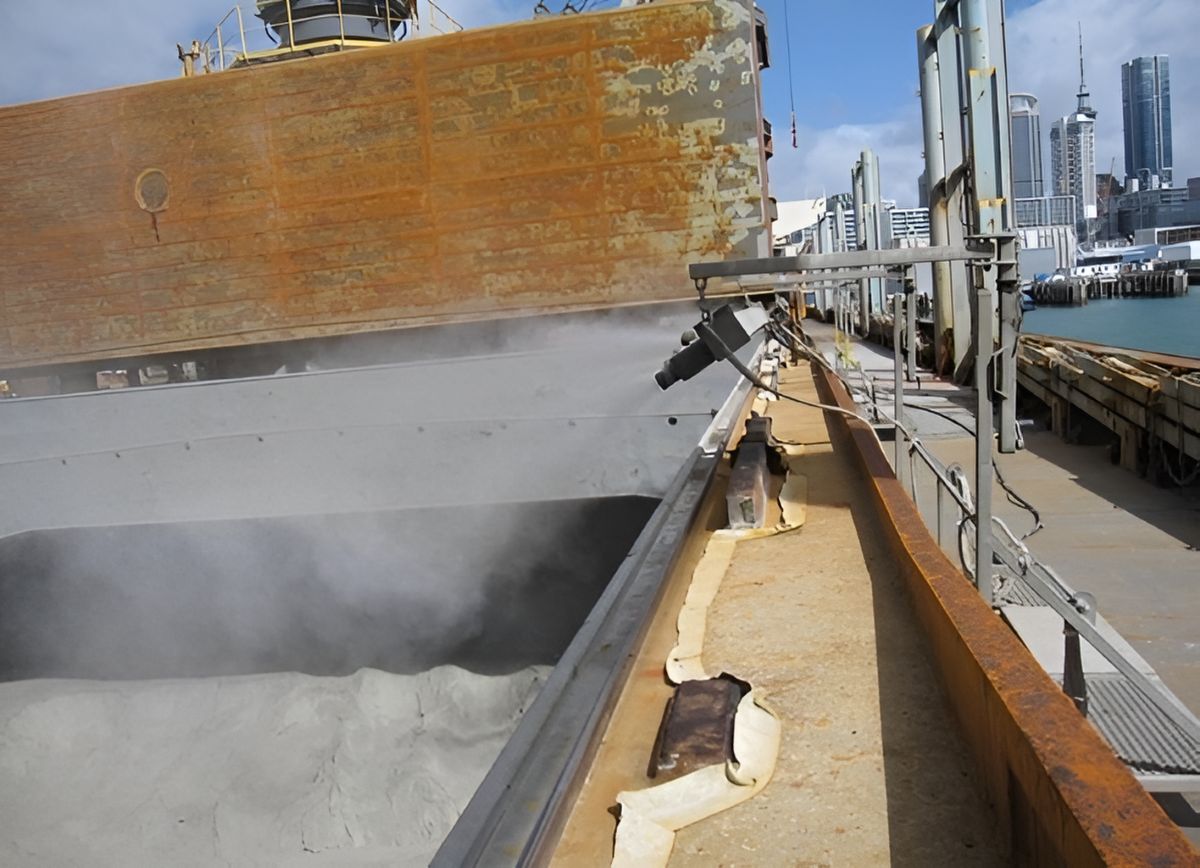 Figure 3 – Fine water mist used for suppression of cement dust
When grabs are used for cargo handling, ensure that stevedores use appropriate measures to protect the ship’s side from, as any cement that hardens on the hull can be difficult and costly to remove. After discharge, cargo residues in the hold should be removed as much as possible using brushes before washing commences. Similarly, all residues and dust on deck, machinery, and equipment should be cleaned.
The ship’s fixed bilge pumping system must not be used to pump out hold washings due to the risk of cement hardening and blocking the bilge lines.
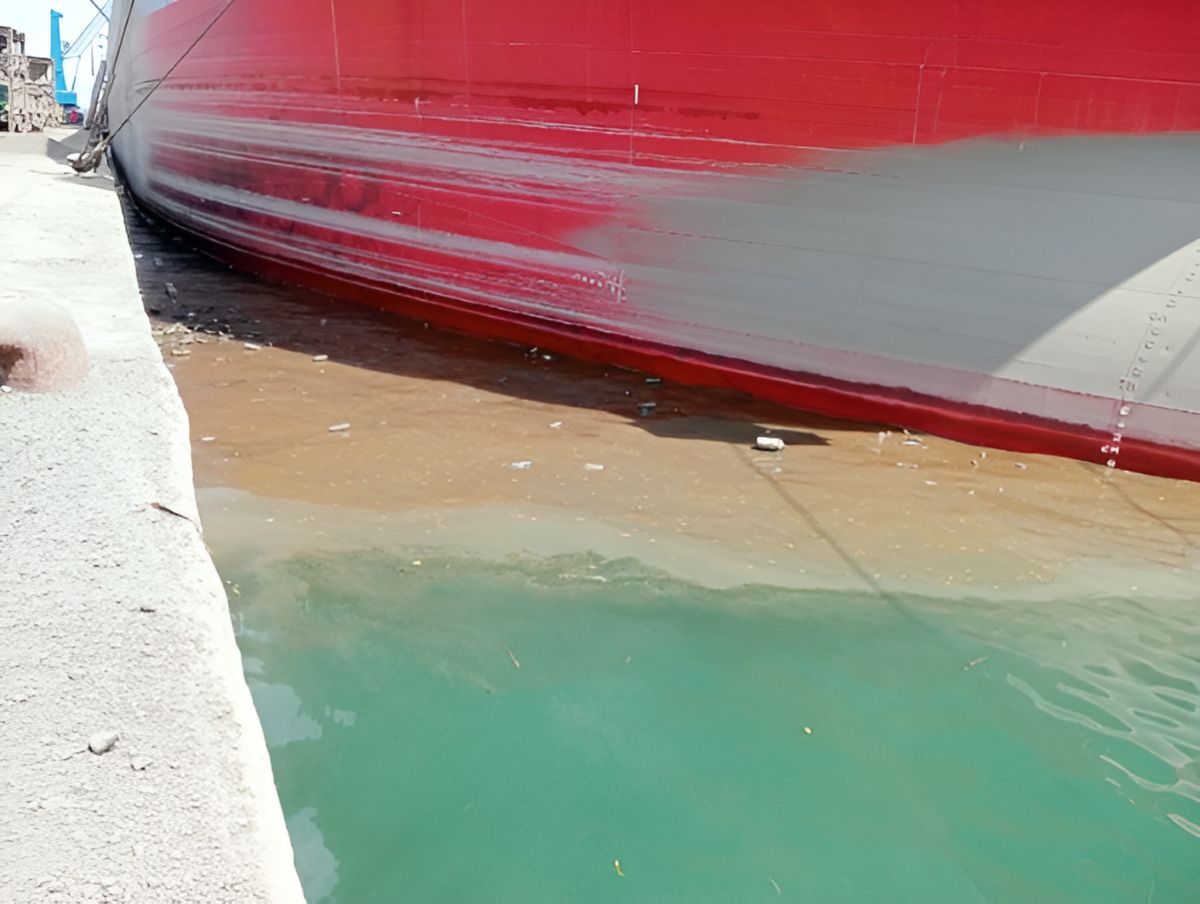 Figure 3 – Solidified cement on the ship’s side
CEMENT LOADED THROUGH CEMENT HOLE
Bulk cement is loaded through pipes using a shore loader placed in the cement loading holes of the hatch covers to minimise dust generation. Cement loaded in this manner is aerated to make it fluid-like, allowing it to flow through the pipes.
It is important to keep the ship upright at all times during loading. Trimming of the cement cargo should be carried out so that the surface angle does not exceed 25° during loading. Cement may behave like a fluid before it settles; therefore, the ship must not sail until settlement has occurred. The risk of cargo shift is greater when heavy weather is encountered and should be avoided. The Master and officers should be trained in the risks of cargo shift and in correcting the angle of heel if one develops due to cargo movement.
If cleaning is not permitted in port, a request should be made to the charterer to allow cleaning of hatch drain channels after the ship’s departure from the port.
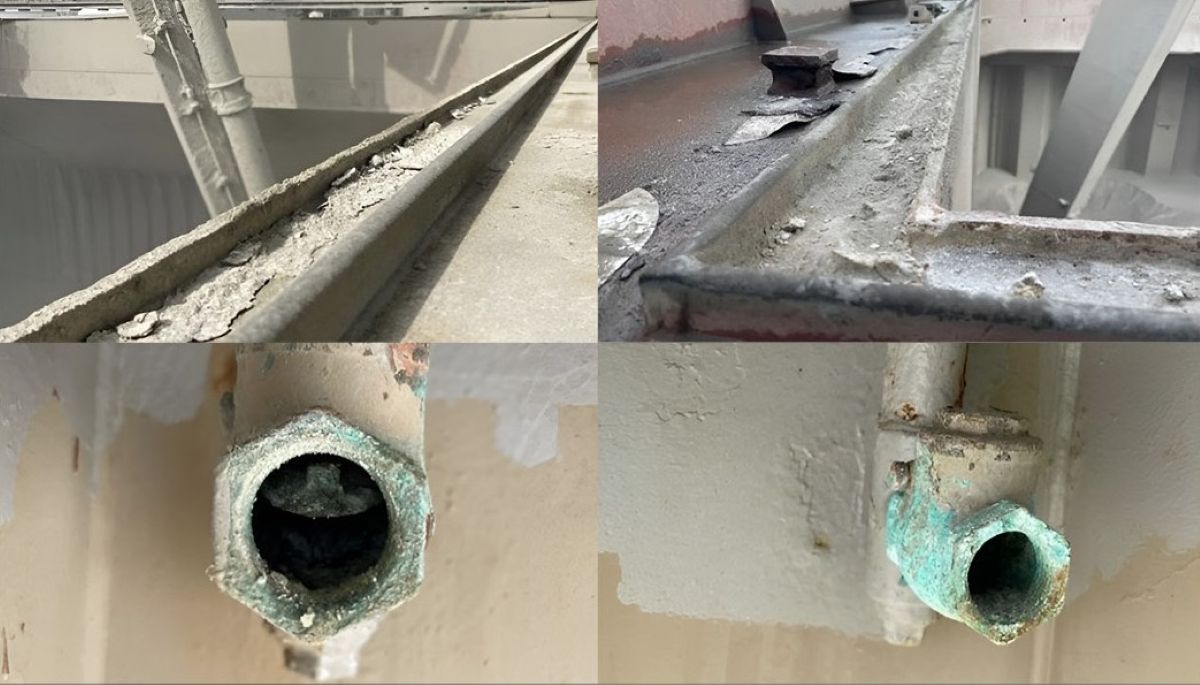 Figure 5 – Hardened cement in drain channels and drain holes
CEMENT IN BAGS
Polypropylene woven bags are used to carry cement. The quantity of cement per bag can range from 25/50 kg bags to 2 MT Flexible Intermediate Bulk Container (FIBC) bags. The 25/50 kg bags are usually packed in cement sling bags for shipment. Tally survey in load port and discharge port should be done to prevent cargo shortage.
Stevedore mishandling, such as improper hooking of the sling bag handles to the spreader or banging of the bags against the coaming during discharge, is the main reason for damage to cement bags. Any damaged bags should be rejected for loading.
Adequate photographs should be taken, and a Letter of Protest (LOP) should be issued in cases of stevedore mishandling.
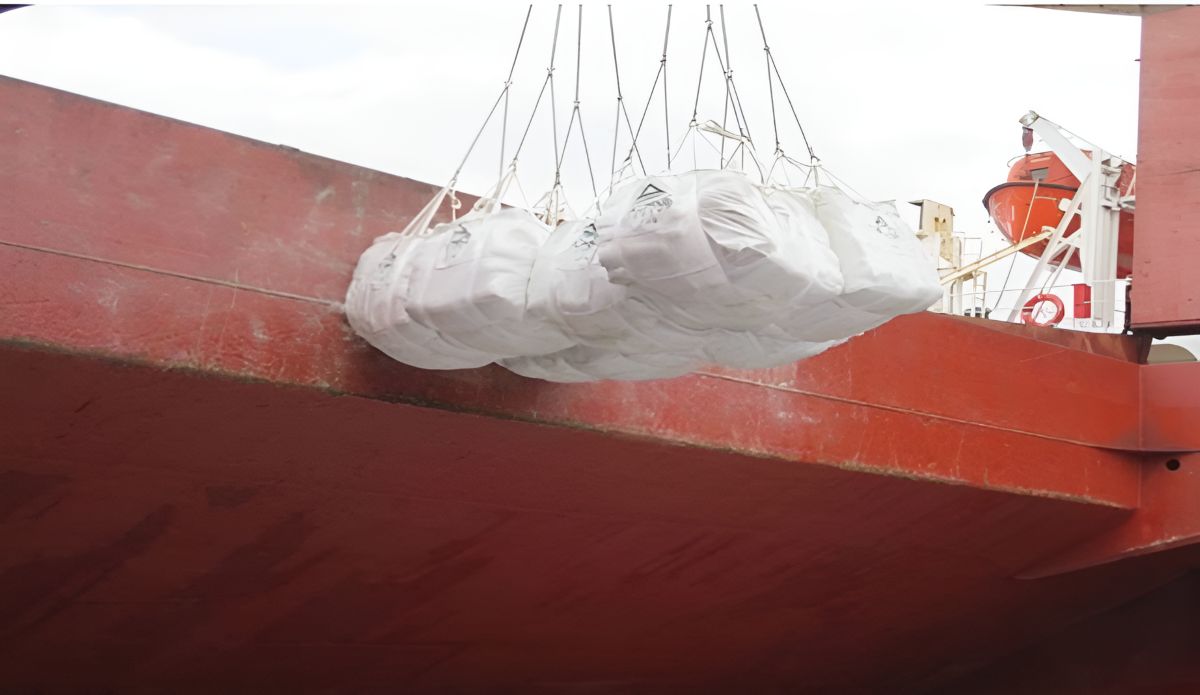 Figure 6 – Banging of the bag on the hatch coaming during discharging
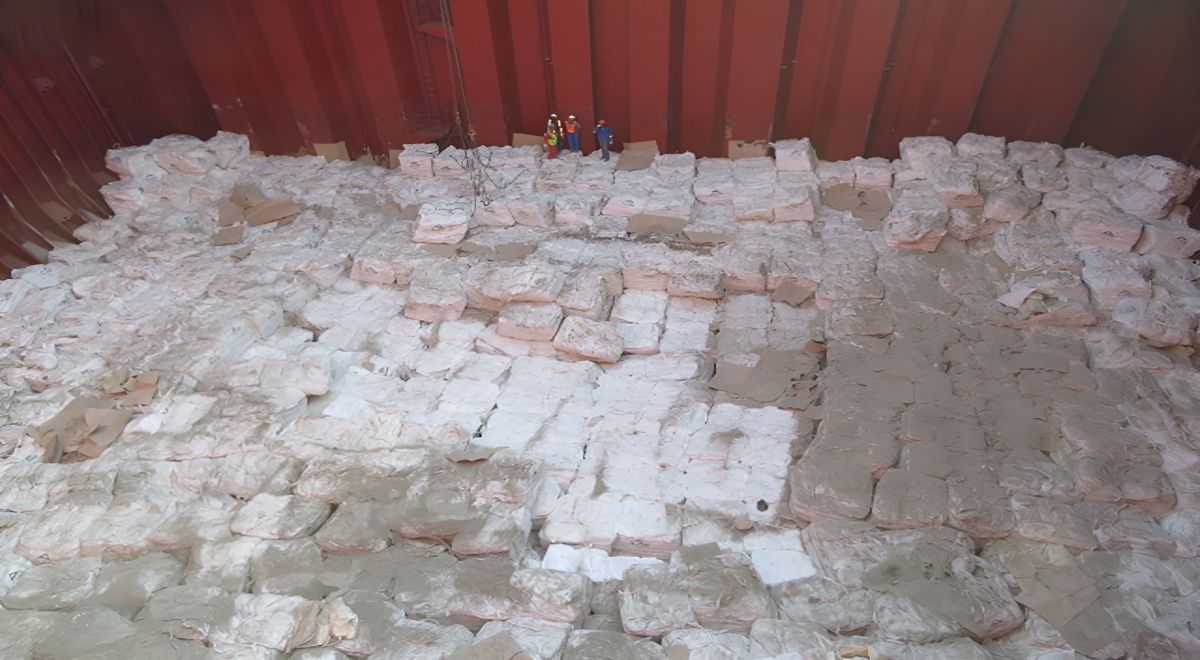 Figure 7 – Cargo spillage from stevedore mishandling
Incorrect hooking of FIBC or sling bags can cause damage to the bags and result in cargo spillage. When handling these bags, all lifting handles must be used. Bags should not be lifted using a single hook. Proper slings or lifting arrangements should be employed to ensure that the bag handles remain vertical during lifting. Dragging bags during handling can also cause damage and lead to spillage. Photographic evidence should be taken, and a LOP should be issued in such cases.
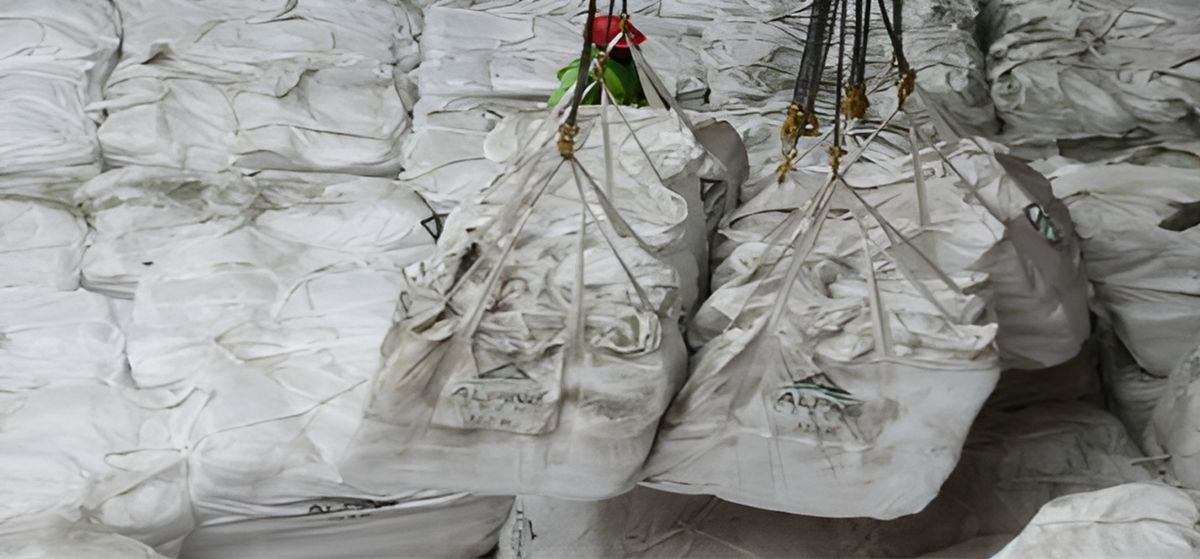 Figure 8 – Incorrect hooking FIBC bags
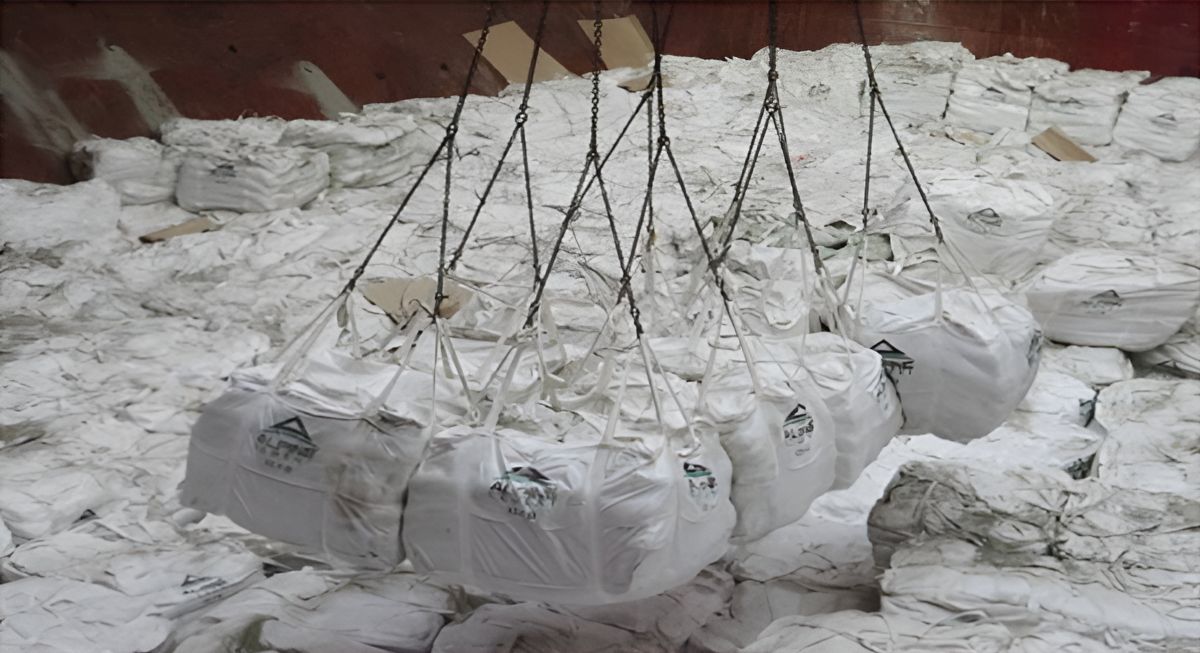 Figure 9 – Correct way of hooking FIBC bags
Another issue observed is bagged cement becoming compacted and hardened at the discharge port when mixed stowage is employed, particularly where heavy cargo such as vehicles is stowed on top of the cement bags. No other cargo should be stowed on top of cement carried in bags, and any such stowage proposal should be rejected.
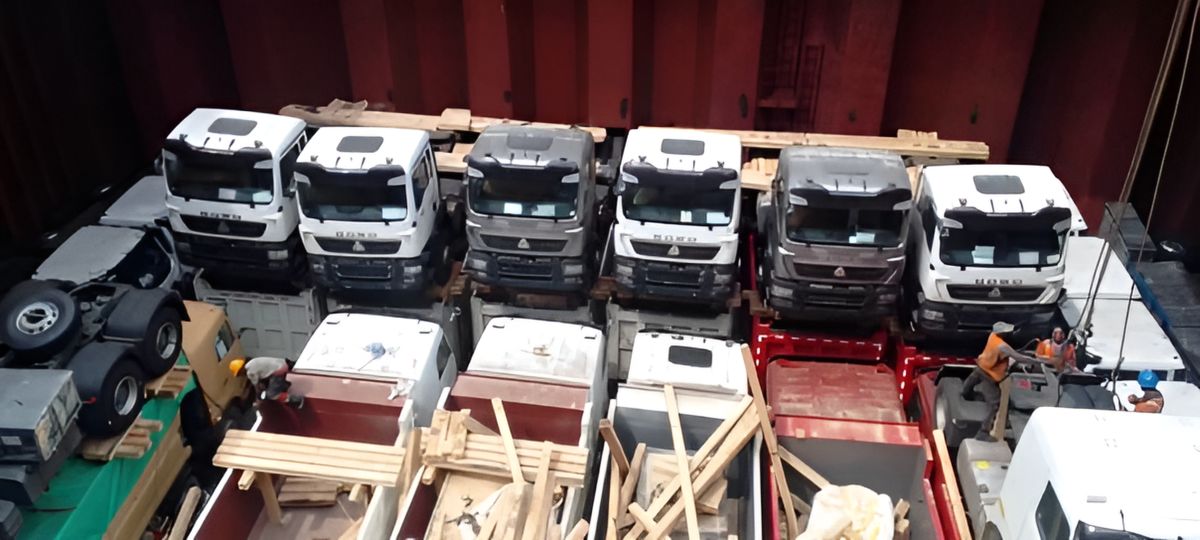 Figure 10 – Vehicles stored on top of the FIBC bags
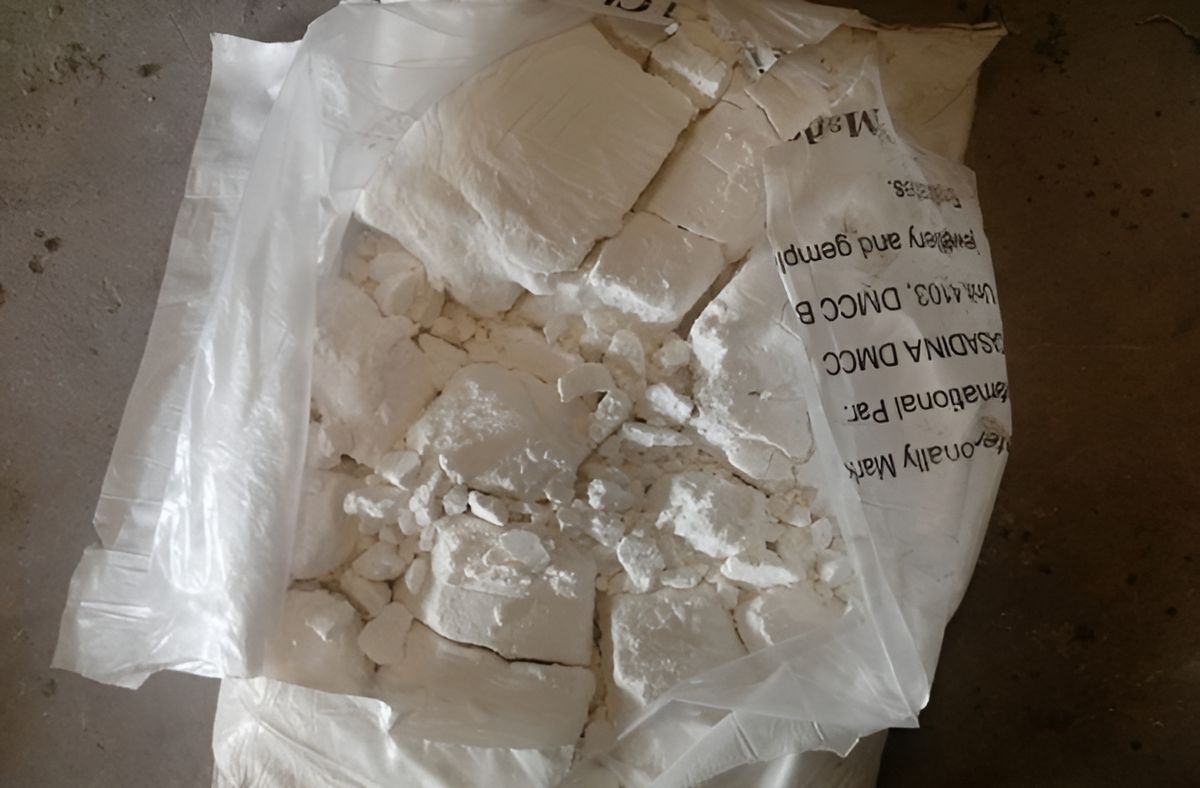 Figure 11 – Compacted cargo
Stowage of cement bags should be tight and compact. Bags at the top of the stow should be properly lashed together. A protective cover should be placed on top of the stow to prevent condensation or sweat from falling onto the bags. The suitability and load-bearing capacity of the bags should be considered when stacking.
When breaking bulk, it is important to conduct a survey and take photographic evidence. Another cause of bag damage is the shifting of the stow when the ship encounters heavy weather. In such cases, a Note of Protest should be lodged at the first port of arrival after experiencing heavy weather.
Cement is not a preferred cargo in the bulk carrier trade due to dust issues and the difficulty of cleaning. Transporting cement whether in bulk or in bags requires considerable cargo care. Effective crew training and adherence to best practices are essential to ensure its safe carriage.
 BACK TO KNOWLEDGE