
 English
GENERAL UNDERSTANDING OF DANGEROUS GOODS IN CONTAINERS
Published: 15 April 2026
In containerised shipping, dangerous goods (DGs) are frequently treated as just another compliance checkbox during their acceptance and transportation, yet their safe handling and the true risk profile they present demands far more than paperwork alone. When crew confirm a correct UN (United Nations) number is declared, matching placards are affixed, and the container is stowed according to the printed bay plan, it is easy to assume that cargo has been properly declared, and all risks have been adequately managed. However, this assumption is often flawed and relying on paper compliance alone does not guarantee accuracy in practice. This is an issue that has becoming even more prevalent and impactful with mis-declared cargoes.
In practice, the most dangerous container on board is often not the one declared as hazardous, but those that are mis-declared or undeclared. When a cargo is incorrectly declared, the cargoes inside the containers may be packed using unsuitable materials, incompatible items may be placed together, wrong placards affixed and the containers loaded without regard to the segregation and compatibility requirements set out by the International Maritime Dangerous Goods Code (IMDG Code)1.
When containers are stowed in inappropriate locations without proper placards or hazard identification, they create a false sense of security and are subsequently monitored under incorrect assumptions by the crew. Such mis-declared containers introduce significant hazards that cannot be detected from their outward appearance once loaded on board, leaving the crew unaware of the true risks concealed within. Consequently, when an incident occurs, the crew may be forced to suddenly confront a fire, a chemical reaction, gas release or a spillage without the accurate corresponding information about the substances involved. Moreover, they may refer to incorrect emergency schedules (EMS) or an inappropriate medical first aid guide (MFAG) to handle the situation safely and effectively.
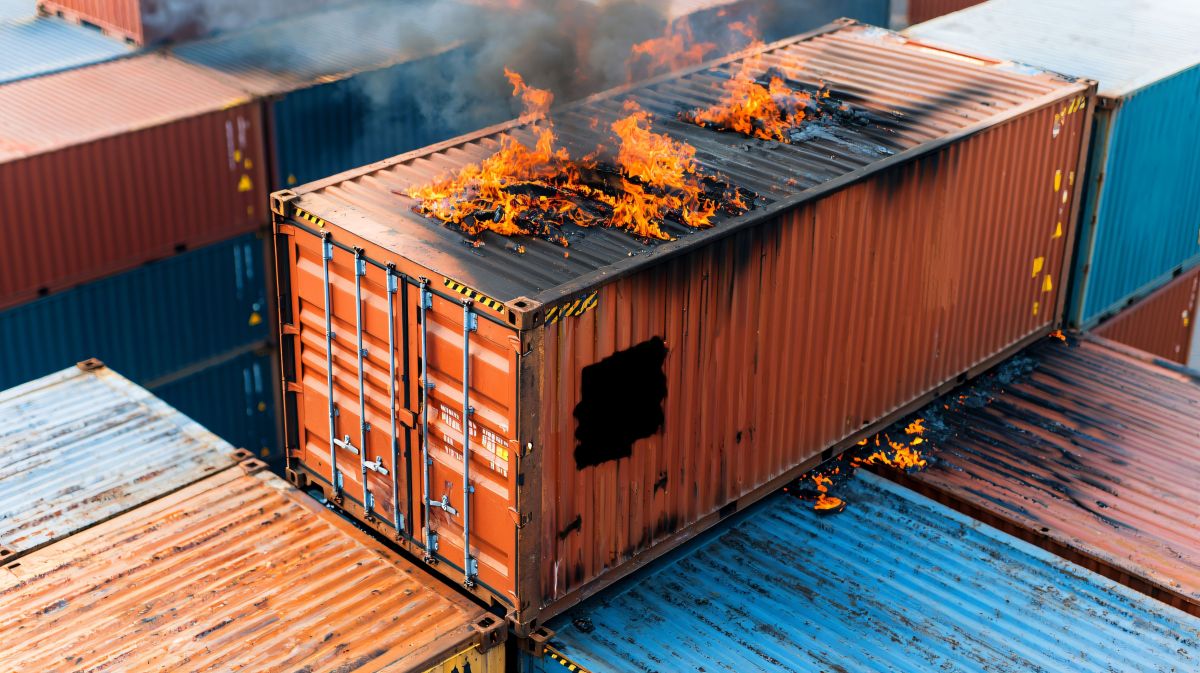
Figure 1 – Container fire
Mis-declared or undeclared hazardous cargo not only increases the risk of physical damage and delayed emergency response, but also creates an inherently unsafe working environment for the crew. Such actions from the upper supply chain have unknowingly exposed the crew to concealed dangers, placing their lives, the marine environment and the ship’s integrity at unnecessary risk.
GENERAL OUTLINE
The IMDG Code provides a comprehensive and standardised reference that ensures every regulated substance is consistently classified, identified, packaged, declared, stowed, handled and segregated in a consistent manner throughout the transportation phases of DGs by sea. The nine hazard classes such as explosives, gases, corrosive substances, and miscellaneous dangerous substances each pose dangerous characteristics to the ship’s crew and marine environment.
These classes or divisions are as listed below:
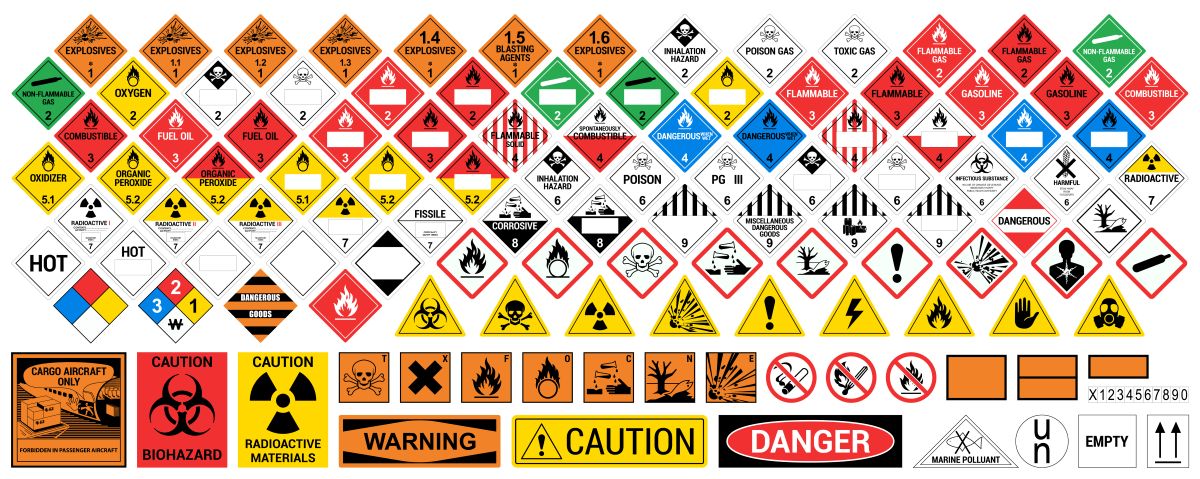
Figure 2 – IMDG classification
Class 1: Explosives – substances and articles that have a mass explosion hazard, a projection hazard or a fire hazard (i.e., ammunition, fireworks, flares)
Class 2: Gases – includes flammable gases (2.1), non-flammable/non-toxic gases (2.2) and toxic gases (2.3) (i.e., propane, helium, chlorine, etc)
Class 3: Flammable liquids – liquids or mixtures of liquids that give off a flammable vapour at specific temperatures (i.e., gasoline, alcohol, paint, etc)
Class 4: Flammable solids – includes flammable solids (4.1), substances liable to spontaneous combustion (4.2) and substances that emit flammable gases when in contact with water (4.3)
Class 5: Oxidizing substances and Organic peroxides – includes oxidizing agents (5.1) and organic peroxides (5.2), which can cause or enhance the combustion of other materials
Class 6: Toxic and Infectious substances – includes toxic substances (6.1) and infectious substances (6.2) like bacteria or viruses
Class 7: Radioactive material – includes substances that emit ionizing radiation (i.e., uranium, medical isotopes, etc)
Class 8: Corrosive substances – includes substances that can cause severe damage by chemical action to living tissue or degrade other materials (i.e., sulphuric acid, battery fluid, etc)
Class 9: Miscellaneous dangerous substances and articles – includes goods that pose a risk during transport not covered by other classes, such as lithium batteries, dry ice and marine pollutants.
DOCUMENTATION AS THE FIRST LINE OF DEFENCE
Within the IMDG Code, a universal numerical identifier is assigned to each substance or article by the United Nations Sub-Committee of Experts on the transport of Dangerous Goods (UN list). This UN number prevents ambiguity and ensures that dangerous goods are recognised consistently across all modes of transport and in every region of the world.
Following the UN number, the proper shipping name (PSN) is used in conjunction with the UN number to designate the exact terminology that must appear on transport documents. With this uniformed naming system, the Dangerous Goods List (DGL)2 in the Code ensures that everyone involved in the supply chain, either from shippers to stevedores or from planners to the ship’s officers, refer to the same material characteristics and hazards and, in the case of a marine pollutant (P), it should be reflected too.
In many cases, groups of related chemicals or products may share the same UN number. When several substances fall under a common numerical identifier, the PSN becomes critically important because it acts as the legally defined descriptor that must be used on all documentation. This precise wording, typically presented in UPPERCASE format (Figure 3), encapsulates the substance’s recognised hazards and the conditions under which it may be transported.
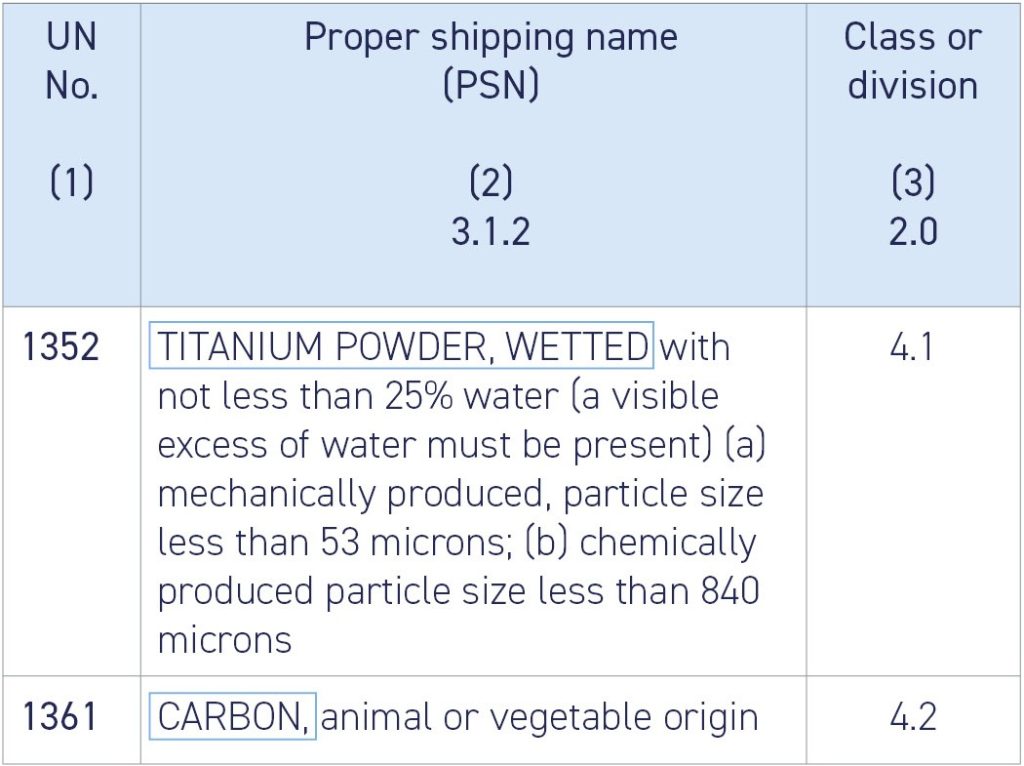
Figure 3 – Extract from IMDG Code – PSN written uppercase
For instance, UN 1263 serves as a collective identifier for the coating industry, where the PSN “PAINT or PAINT RELATED MATERIAL” covers diverse products such as enamel paints, liquid lacquers or thinners (Figure 4a). Similarly, UN 3264 is a broad “not otherwise specified” (N.O.S.) category using PSN “CORROSIVE LIQUID, ACIDIC, INORGANIC, N.O.S.,” to regulate different acidic mixtures such as metal pickling solutions (containing sulfuric acid) or industrial descalers (containing phosphoric acid). In these scenarios, while the UN number identifies the general hazard class, the PSN provides the specific legal identity necessary for safe handling and emergency response.
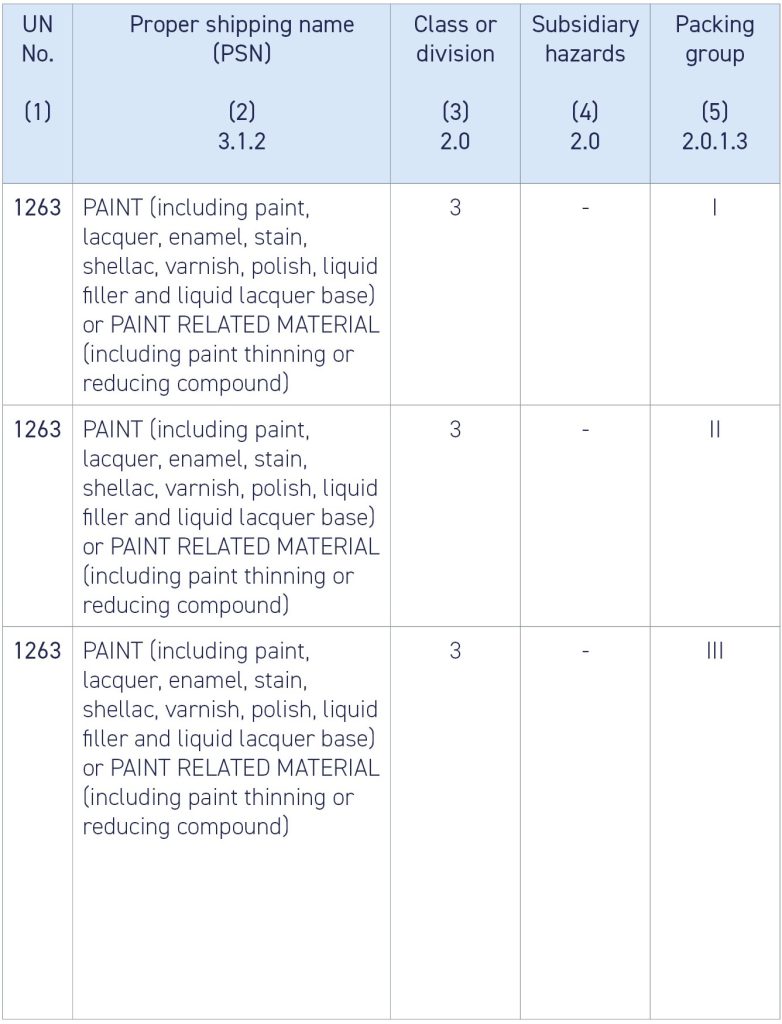
Figure 4a – Extract from IMDG Code – PSN examples
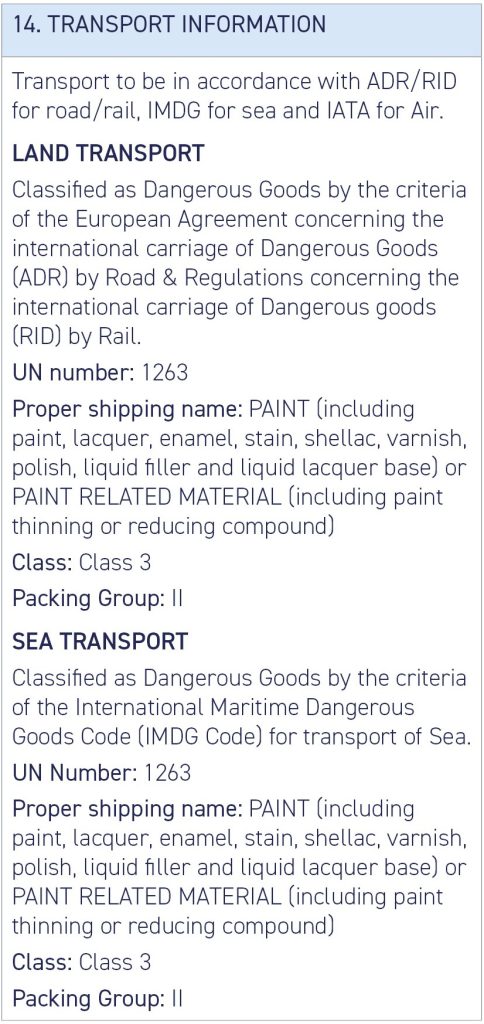
Figure 4b – Extract from Nippon Paint SDS – PSN examples3
The risks associated with DGs in containers often arise from failures in information flow, poor packing practices or inadequate oversight during transport. One recurring theme in incident investigations is the mis-declaration, quality and/or completeness of documentation4.
The IMDG Code further refines this risk profile through the assignment of a packing group (i.e., packing group I, II and III), which specifies the degree of danger associated with the substance (i.e., temperature, toxicity, reactiveness, etc) and determines how robust the approved packaging should be to withstand normal transport stresses (refer to the section under “Assignment of Packing Group” for each IMDG classes).
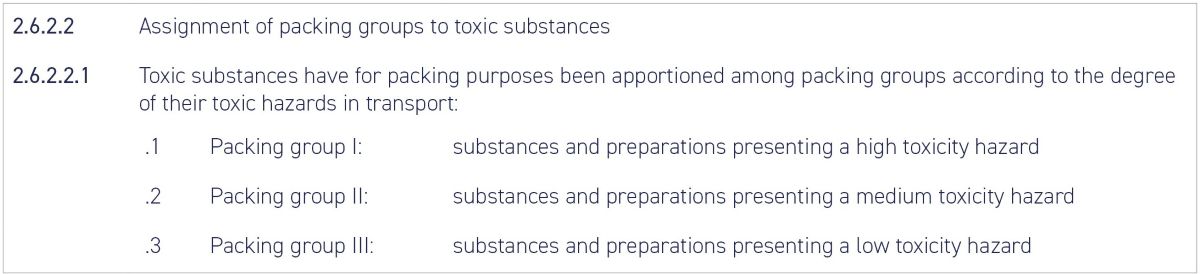
Figure 5 – Extract from IMDG Code, Volume 1, Chapter 2.6 – Class 6, Toxic and infectious substances on different packing group for Class 6 cargo
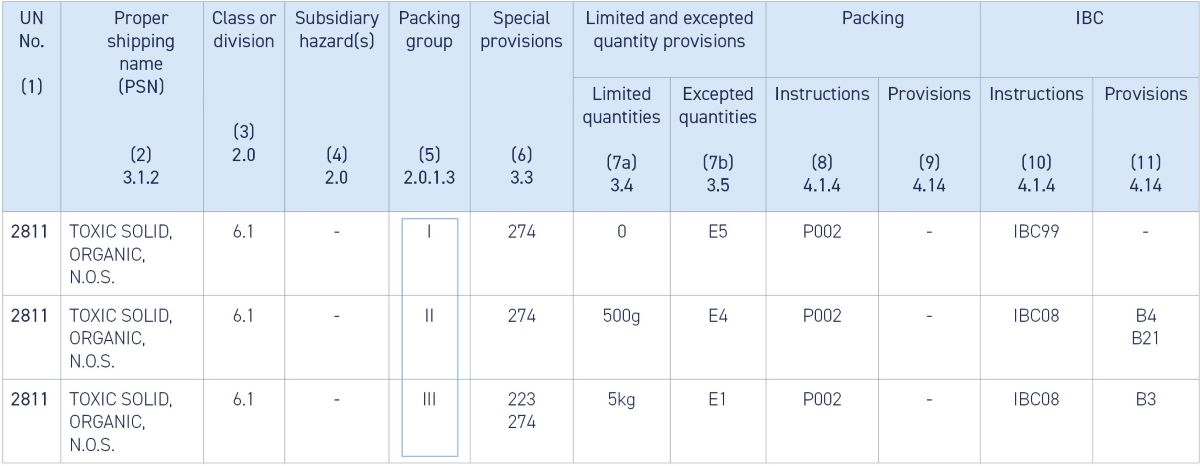
Figure 6 – Extract from IMDG Code with examples of different packing group for UN 2811
Therefore, the shipper should ensure that the appropriate packaging, including drums, boxes, composite packaging or flexible intermediate bulk containers (FIBCs) are constructed and tested to be chemically compatible to prevent reactions or weakening of the material. Poorly packaged or inadequately secured DGs can deteriorate, leak or react during transit and influence how the cargo behaves under fire, contamination, leakage, pressure or mechanical impact. That said, although container packing remains one of the highest risk points in the supply chain, this is usually performed outside the direct oversight of carriers.
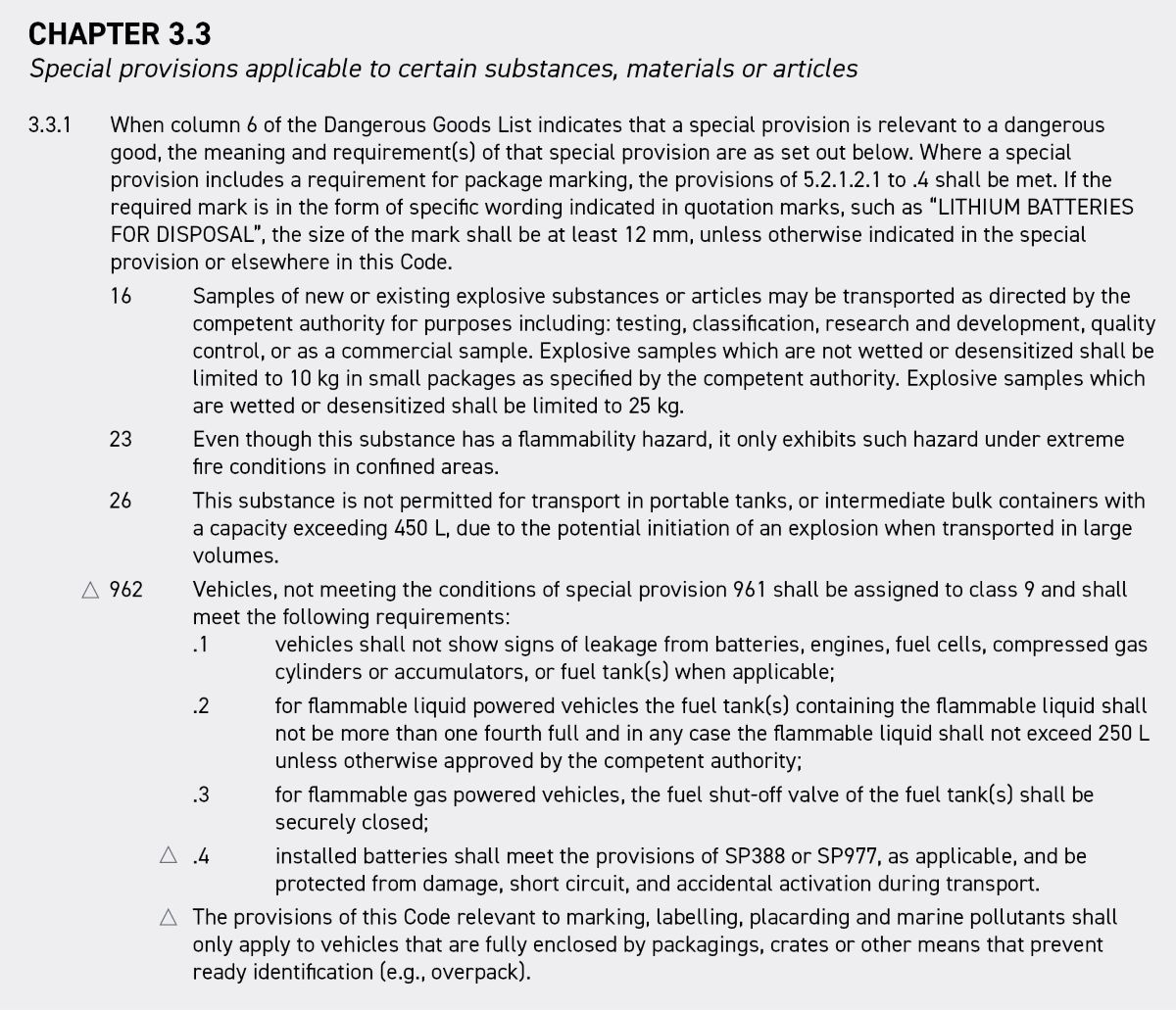
Figure 7 – Example of IMDG Code with different Special Provisions
WARNING SIGNS
In most cases, early warning signs or red flags will usually present itself in the documentation. The most common red flag is the use of vague or purely commercial cargo descriptions. Terms such as “chemicals”, “resin”, “additives” or “cleaning products” may be commercially convenient, yet they provide no meaningful insight into hazard characteristics. When such descriptions are unsupported by a safety data sheet (SDS) or a properly completed IMDG declaration with PSN, the risks should immediately be reassessed.
Some common red flags often being exploited with the Proper Shipping Names:
- Using trade names or synonyms instead of PSN4
- Abbreviating the PSN or using partial names
- Wrongful use of PSN for different material’s physical state
- Not updating the PSN when material composition changes
- Omitting technical names for N.O.S entries
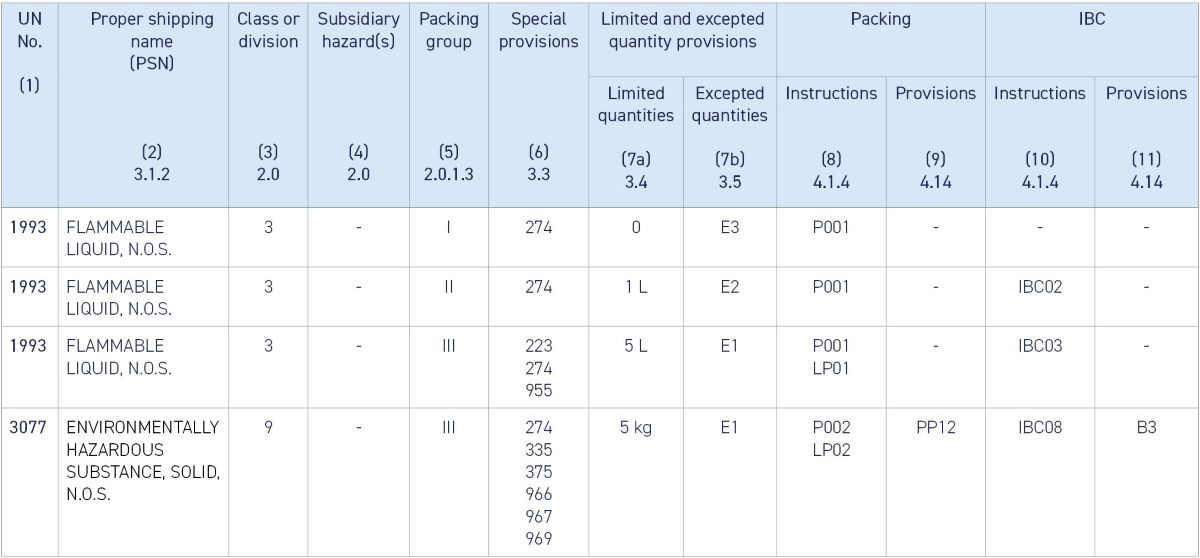
Figure 8 – Extract from IMDG Code with example of UN 1993 and UN 3077 (Figure 9)
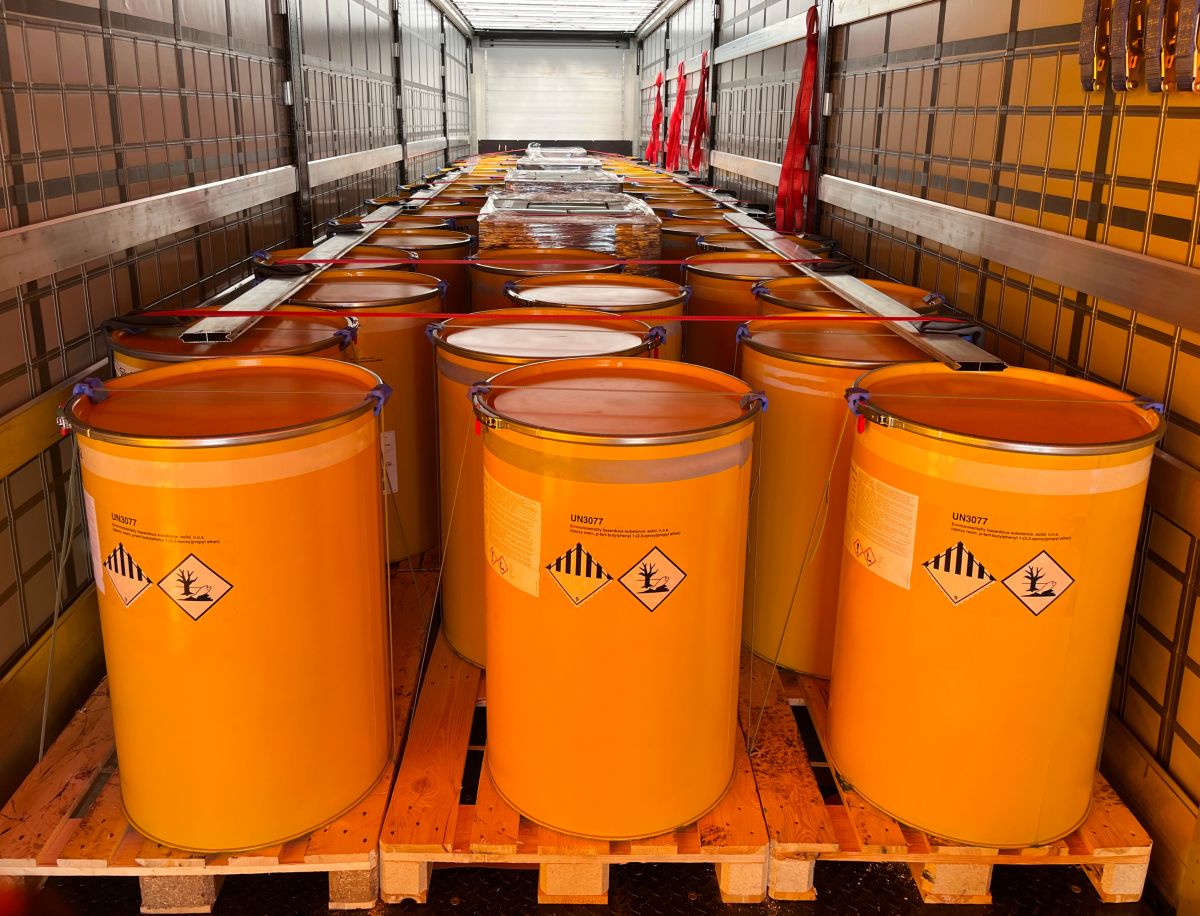
Figure 9 – loading of cargo UN 3077
For illustration purposes, the PSN of “not otherwise specified” entries should be supplemented with the recognised technical or chemical names of the constituent which most predominantly contributes to the classification. For example, UN 1993 FLAMMABLE LIQUID, N.O.S. (Propyl Acetate, Di-n-Butyltin Di-2-Ethylhexanoate), 3, PG III (50ºC c.c.) MARINE –––POLLUTANT or UN 3077, ENVIRONMENTALLY HAZARDOUS SUBSTANCE, SOLID, N.O.S. (Nickel Sulfate), 9, PG III
Of note, the frequent use of “not otherwise specified” (N.O.S) entries without adequate technical justification should draw the attention of the ship’s officers. While N.O.S. entries are permitted under the IMDG Code for substances, materials or articles which do not appear specifically by name in the DGL[1], they are not intended to conceal uncertainty. When a declaration provides little more than a generic class and a packing group, with no indication of composition and subsidiary risks, it is reasonable to question whether the hazards have been properly outlined by the shipper.
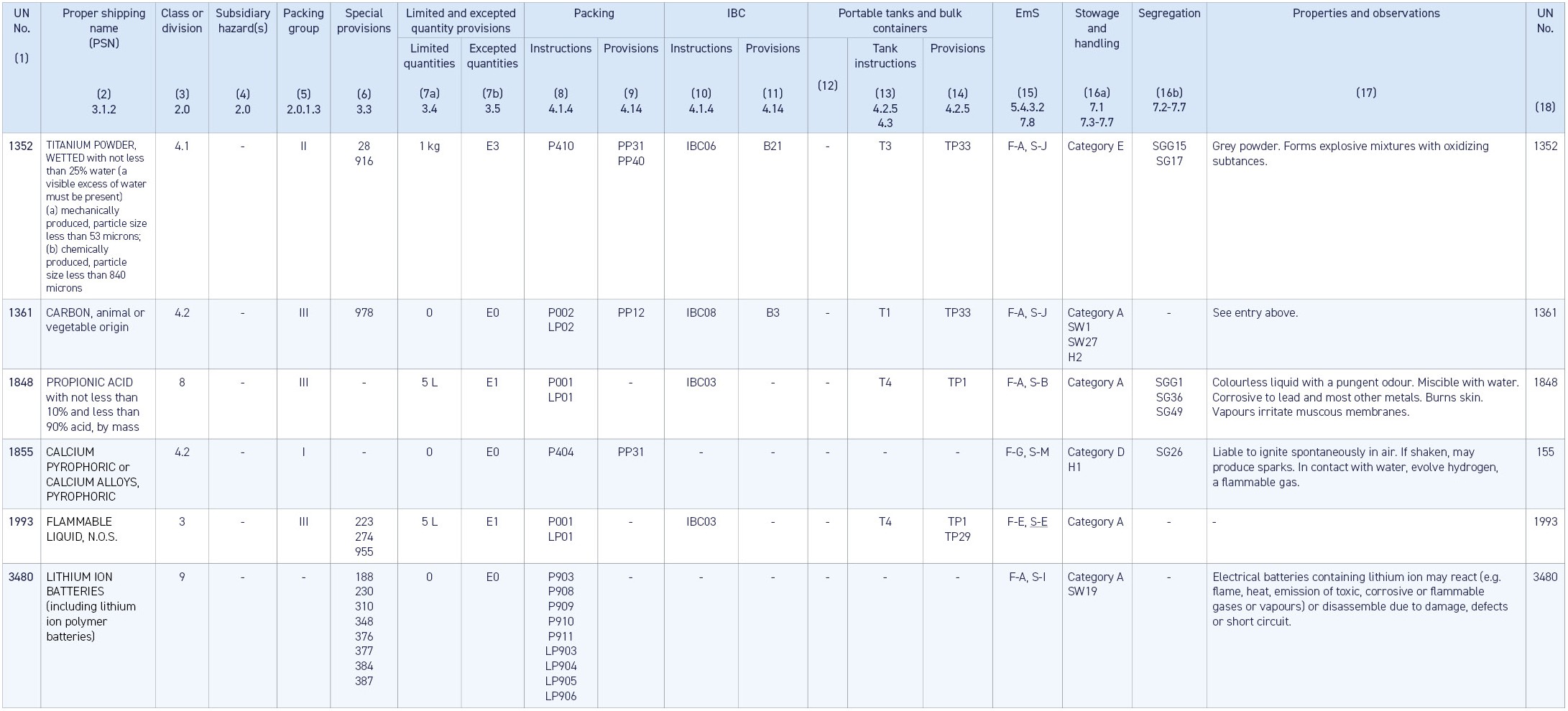
Figure 10 – Extract of IMDG Code, Volume 2, Chapter 3.2 – Dangerous Goods List
Over the years, certain cargo categories have repeatedly appeared in mis-declared container cases. For instance, lithium batteries and battery-powered equipment are a well-known example, frequently declared as “electronics”, “computer parts” or “machinery parts”. Shippers may classify a consignment under a broad or harmless-sounding N.O.S. category to avoid the stringent packaging, labelling and documentation requirements specific to lithium batteries until the Code has adopted these cargoes with specifically assigned UN numbers (i.e., UN3480, UN3481, etc).
Similarly, other cargoes such as charcoal and carbon products, oxidising pool chemicals, resins and curing agents, fertilisers and waste-derived cargoes continue to present challenges across trades.
From a loss prevention standpoint, one of the most dangerous assumptions is that previous acceptance equates to safety. It is likely that many serious casualties involve cargoes that had been shipped multiple times without incident, until conditions aligned unfavourably.
What these commodities share is not only hazardous properties, but sometimes commercial pressure. They are often shipped urgently, in competitive markets and sometimes by parties with limited technical understanding of maritime transport requirements and/or the IMDG Code. As a result, shipowners should recognise that risk is not evenly distributed across all cargoes. At times, targeted vigilance towards certain shippers is therefore both reasonable and necessary when last minute bookings are received.
Moreover, discrepancies between documents should never be dismissed as clerical errors. Where the booking description, invoice, SDS and/ or any declaration does not align, experience shows that the problem is rarely administrative. Instead, it is often symptomatic of a deeper uncertainty with regulatory requirements on cargo declaration.
For these reasons, late amendments to IMDG declarations or last-minute booking changes should always prompt a fresh stowage assessment. Instead of simply accepting these cargoes quietly into existing plans or relying solely on the competency of the shipper, shipowners should therefore implement a comprehensive Know Your Customer (KYC)4 procedure, conduct audits and enforce strict booking controls to better mitigate associated risks.
Beyond technical indicators, behavioural patterns also provide the next clearest warning signs. Shippers or intermediaries who resist questions, downplay hazards or insist that “this cargo has been shipped all the time” are not offering reassurance. In fact, they are often signalling risk.
TRAINING
Even the most comprehensive procedures cannot safeguard operations if personnel are not trained to recognise early warning signs or inconsistencies during declaration checks. Therefore, training should not be regarded as an option, but rather the foundation of effective risk identification for both ship’s crew and shore-based personnel. in fact, the Code explicitly requires that shore-based personnel engaged in the transport of DGs intended to be transported by sea should be trained in the contents of the IMDG Code provisions commensurate with their responsibilities. They must receive this training before assuming their duties and may only perform tasks under the direct supervision of a trained person until the required training is completed.
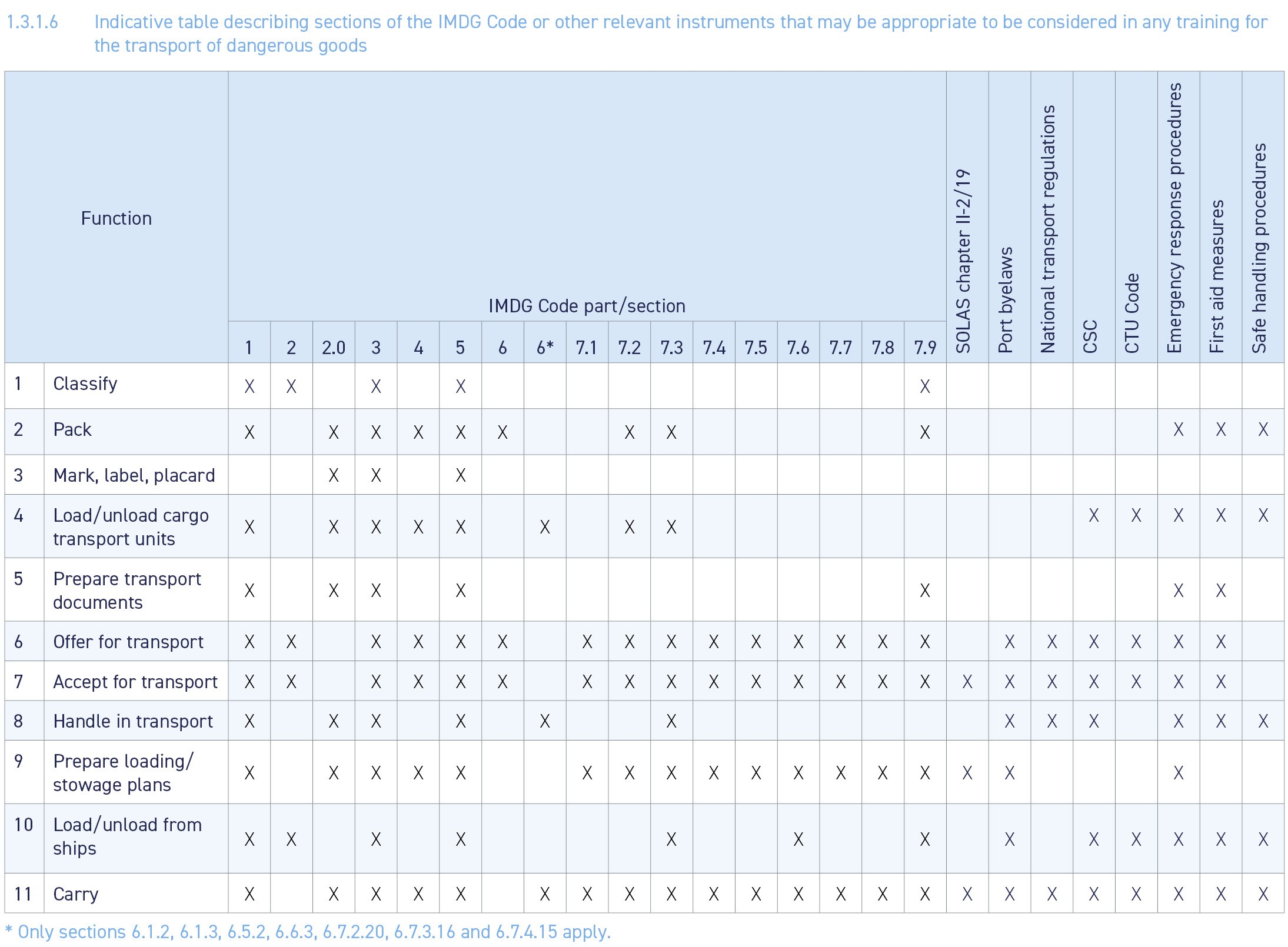
Figure 11 – Extract from IMDG Code, Volume 1, Chapter 1.3 – Training
PHYSICAL INDICATORS THAT SHOULD NOT BE IGNORED
While much emphasis is placed on paperwork, masters and crew should also remain alert to physical indicators while at the terminal and when loading DGs on board. Containers carrying DGs often reveal subtle clues, like missing, damaged or even inconsistent placards etc., are an obvious concern, particularly where a container is declared as general cargo. On the contrary, the presence of placards on a container declared as non-dangerous should prompt immediate clarification.
In some cases, the Code also permits certain goods to be transported in limited or excepted quantities, enabling smaller consignments to move under simplified regulatory conditions while still maintaining an acceptable level of safety. These containers should also be documented and have the correct placards to indicate their hazardous nature.
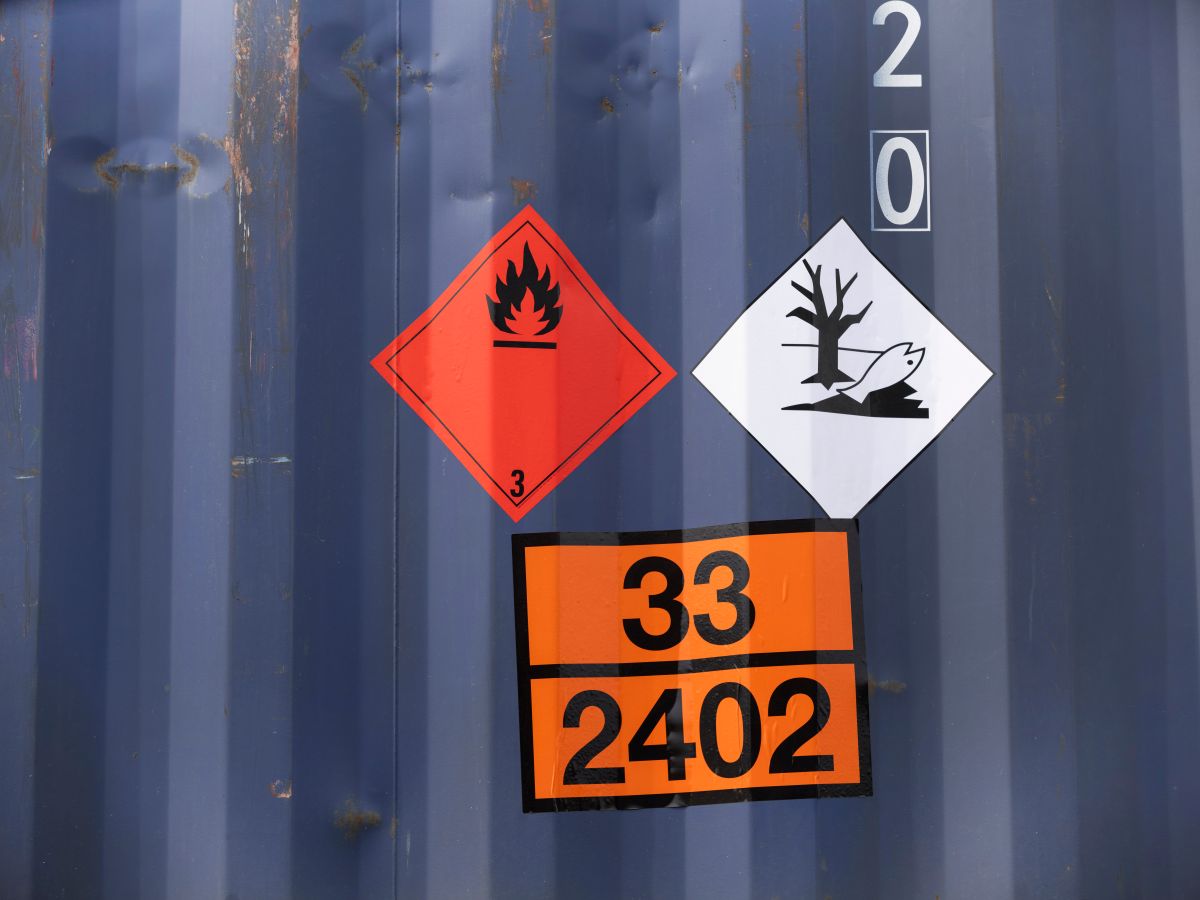
Figure 12 – Container with Class 3 placard and marine pollutant label
Furthermore, the crew must remain vigilant for unusual odours, heat emanating from container walls, staining near vents, residues around door seals or liquid leaking from the container. These are all indicators that the contents may not be benign. Such observations should never be dismissed due to time pressure.
Sometimes, certain container types are misused to mask risks. For example, refrigerated containers are occasionally employed for heat-sensitive DGs without appropriate declaration or controls. In such cases, the presence of a reefer unit should not be taken lightly and accepted unless it is supported by proper documentation and monitoring arrangements.
STOWAGE DECISIONS, SEGREGATIONS AND THE LIMITS OF SOFTWARE
Even where a container is correctly declared, the way it is stowed remains crucial to onboard functions. While modern stability and loading software is a powerful tool, it should not be a substitute for good seamanship, good judgement or competent risk assessment. The fact that a stowage position is permitted by the Code does not automatically mean it is prudent under prevailing conditions.
From a mariner’s standpoint, the ship’s officer responsible for cargo planning and stowage relies heavily on the IMDG cargo manifests prepared by the shippers. Today, these details are transmitted from the physical dangerous goods list into more modernised format using Electronic Data Interchange (EDI) which is usually uploaded into the approved stability loading computer.
What was once a labour‑intensive task has now been greatly reduced with modern cargo planning software. The process of screening dangerous goods has become significantly more streamlined and instead of manually cross‑checking compatibility and segregation rules, ship’s officers now have the assistance from an automated risk‑checking function that flag any potential violations related to stowage, segregation or cargo incompatibility. However, the officer still plays a critical role in validating class‑to‑class segregation, stowage category requirements and the suitability of cargo locations in terms of ventilation, heat source, accessibility, fire-fighting and structural limitations. In essence, the approved software provides a first line of defence, but not the only one.
When mis-declared dangerous goods are involved, inappropriate stowage amplifies the risks. Hence, a physical inspection should follow the loading of each DGs container. The responsible watch officer(s) should verify that container placards match declarations, examine container condition for leakage or foul smell and ensures that stowage matches the bay plan. These combined digital and physical checks are essential for detecting issues such as mis-declared goods, improper segregation, inaccessible stowage and inaccurate weights, each of which can escalate into a major onboard emergency if left undetected.
For example, when containers are loaded under deck or in cargo holds, near accommodation spaces, adjacent to heat sources, or in areas that limit fire-fighting access where they are not supposed to be, these can sometimes transform a manageable incident into an uncontrollable situation. Additional caution is required when certain IMDG-classified units are loaded with the container doors facing forward in the cargo hold or when two 20-ft containers are stowed back-to-back to deter pilferage. While operationally practical, these arrangements can sometimes impede fire-fighting access. On board some ships, cross decks structures may not be designed to provide accessible walkways between holds at every level, further constraining early-stage fire response. These limitations reinforce the need to verify stowage plans carefully from experience of knowing the ship.
When loading highly volatile cargoes, the Code defines some primary segregation levels, i.e., “away from”, “separated from”, “separated by a complete compartment or hold from” and “separated longitudinally by an intervening complete compartment or hold from”, each representing progressively stricter and more stringent physical separation. For example, “away from” requires only a safe distance within the same hold, while “separated from” requires a structural barrier such as a bulkhead or deck or hatch. More stringent rules will require entire compartments to intervene, especially for cargoes with heightened reactive potential.
Loading software should account not only for segregation requirements but also flag container weights when they exceed stack‑weight limits for specific rows. This enables the ship’s officer(s) to identify additional structural and stability risks, especially where overloaded DG containers may contribute to an even more dangerous situation when stack collapses. Such conditions can significantly worsen an already hazardous situation where the Masters may need to consider diverting the ship, coordinating with charterers and coastal authorities to arrange specialised handling or containment at the next port.
WHAT SHOULD BE DONE WHEN A RED FLAG APPEARS
When any warning signs or irregularities described above are identified during handling and/or documentation for DGs, the response should be both deliberate and fully documented. Firstly, the issue should be escalated promptly within the company and, depending on the circumstances, it may also be necessary to notify other relevant parties such as cargo owners, ship owners, managers, operators, slot charterers, freight forwarder and/or any interested stakeholders of potential risks and to take coordinated action.
At the same time, preservation of contemporaneous evidence should be taken immediately. For instance, photographs of container numbers, placards, seals and visible external condition, together with copies of all cargo documents and correspondence, should be retained. It is important to avoid relying on verbal assurances, instead, all clarifications or confirmations should be requested in written format so that an accurate record exists of what was being communicated.
If the container is already on board, additional steps may be needed on monitoring of the container, crew briefing and appropriate contingency planning should be considered while waiting further guidance from the shipper, cargo expert and/or Flag Administration. During this time, maintaining situational awareness and ensuring the crew understands the nature of the concern may be essential before any unforeseen incidents happen.
Early engagement with the P&I Club will be an effective response to protecting Members’ interests.
EARLY ACTION MATTERS
The importance of early and decisive action when dealing with potentially mis‑declared DGs cannot be overstated. History shows that such incidents rarely remain confined to simple cargo damage, instead they often escalate into far more serious events. These may include crew injuries, environmental pollution, port state control interventions, significant regulatory fines, operational delays, costly deviations, salvage operations and protracted disputes over liability. The consequences compound quickly and the financial and reputational exposure for shipowners increases when the initial response is slow, incomplete or poorly executed.
Ultimately, the safe carriage of DGs in containers depends on a culture of compliance supported by competency, transparency and proactive risk management. Shippers should provide truthful, complete and compliant declarations, while ships’ crews should remain alert to inconsistencies, red flags and operational constraints that software alone cannot detect.
The ship’s crew should adopt a proactive and structured approach to consistently achieve better outcomes. Prompt escalation of concerns, rigorous documentation of all observations and early consultation with relevant experts and the P&I Club establish a strong foundation for both operational safety and legal protection.
NOTE
The IMDG Code, 2024 edition (including amendment 42-24) entered into force on 1 January 2026 and may have been applied voluntarily from 1 January 2025. However, only one amendment is valid at any given time and updates are issued biennially to allow for an appropriate transition period5.
For further guidance, Members can refer to the IMO resolution MSC.556(108)6 in full or contact our Britannia Loss Prevention team.
In addition to regulatory compliance and internal company procedures, the shipping industry increasingly benefits from collaborative safety initiatives and modern digital tools. Although the Club has no direct affiliation with these initiatives, we remain fully aware of the extensive work undertaken by these industry working groups such as the CINS7 incident database and the World Shipping Council’s Cargo Safety Program8 provide carriers with valuable insights into historical incidents, emerging cargo‑related risks and data‑driven screening indicators that help identify mis-declared or high-risk shipments at early stage.
REFERENCES
1 International Maritime Organization – The International Maritime Dangerous Goods (IMDG) Code
2 International Maritime Organization – Table
3 Nippon Paint – Safety Data Sheet
4 Britannia P&I – Misdeclaration of Cargoes in Containers
5 International Maritime Organization – IMDG Code Amendment Cycle 2023-2032
6 Marine Department of the Hong Kong Special Administrative Region – Amendments to the International Maritime Dangerous Goods (IMDG) Code
7 The Cargo Incident Notification System – Cargo Incident Notification System Network
8 World Shipping Council – Cargo Safety Program
 BACK TO KNOWLEDGE