
 English
INSIDE THE NUMBERS: BRITANNIA P&I’S MOST COMMON ILLNESS AND INJURY CLAIMS
Published: 13 January 2026
As part of our continuous dedication to supporting seafarers in the industry, we’ve gathered a list of the most common illness and injury claims we receive so we can equip you with the knowledge to stay healthy and safe.
Alongside Dr. Katherine Sinclaire from MedSea, we’ve analysed and reported on all the illness and injury claims we’ve received in the last two policy years from 2022/2023 to 2023/2024.
This article dives into the most common causes of claims we see and provides information to help you stay healthy to prevent certain illnesses and safety advice so you can avoid common mishaps at sea and improve your team’s safety culture.
ILLNESSES:
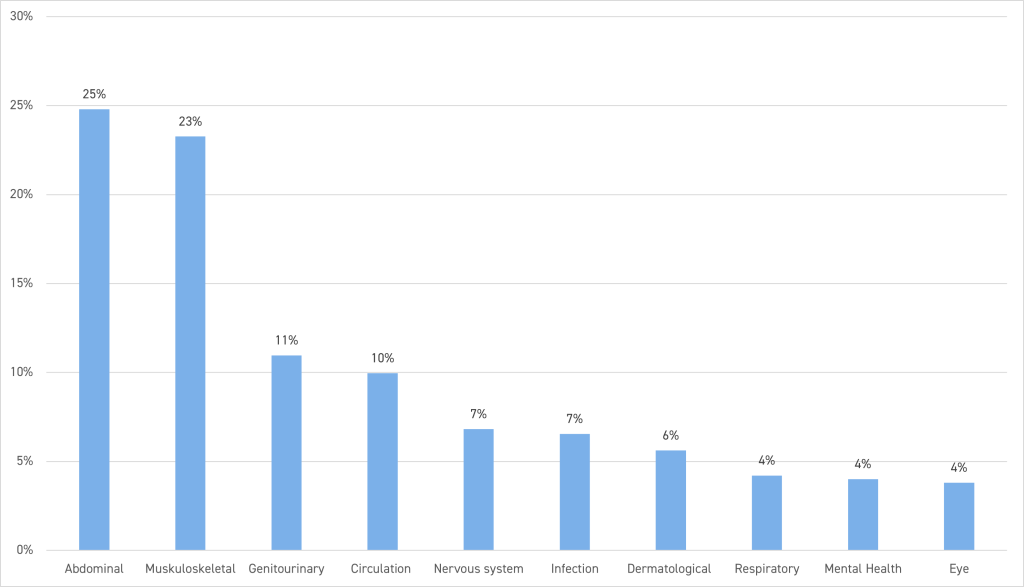
Among our crew claims, illnesses make up the majority of them. These illnesses have a variety of causes, from age to lifestyle and genetics. The risks of many can be reduced by maintaining an active and healthy lifestyle, and by being aware of how to spot and treat certain symptoms. We’ve provided a further look into a few notable illnesses, highlighted below.
Abdominal
The majority of illness claims we see are due to abdominal pathology, however this category contains a wide variety of diagnoses. Within the overall abdominal category, we see the highest number of claims relating to appendicitis (18%), haemorrhoids (16%), and hernias (14%). These more common varieties are explored in more detail below:
Appendicitis is a common surgical emergency caused by inflammation of the appendix, with the biggest danger being rupture and life-threatening infection. It most often affects people aged 10-30 and requires prompt medical attention, especially at sea where many conditions can mimic its symptoms. Early Telemedical Advice Service (TMAS) consultation is vital, and while surgery is the definitive treatment, starting appropriate antibiotics may help prevent deterioration until the person can be transported to shore medical care.
Haemorrhoids, sometimes known as piles, are swollen blood vessels that cause pain, itching, and bleeding, often triggered by constipation, straining, diarrhoea, or low-fibre diets. Although usually manageable without surgery, severe or persistent cases can impact a seafarer’s’ ability to work and may result in medical repatriation. Prevention focuses on good hydration, a high-fibre diet, and regular physical activity.
Hernias arise when weakness in the abdominal wall allows tissue to protrude, sometimes becoming trapped and cutting off blood supply, which can be a potentially life-threatening emergency. Risk factors include heavy lifting, chronic coughing, constipation, ageing, and previous family history. Certain hernias, especially those in the groin area, carry higher risks and are best repaired before returning to sea.
More than half of musculoskeletal cases involve back problems, often linked to heavy lifting, repetitive work, awkward postures, vessel movement, and long hours. These injuries can significantly affect daily function and are a key contributor to time off work, highlighting the importance of safe lifting practices and ergonomic awareness on board.
Kidney stones account for over half of genitourinary cases and often cause severe renal colic, though symptoms can sometimes resemble appendicitis, risking unnecessary diversions. Dehydration, especially in hot working environments, is a major contributing factor, alongside conditions such as hypertension, diabetes, obesity and previous stone episodes. Stones may pass on their own, but persistent obstruction or infection requires urgent medical treatment.
Despite growing industry awareness, mental health cases among seafarers remain under-reported, and stress-related conditions may present as physical symptoms such as abdominal pain or palpitations. Barriers to seeking help include stigma, limited mental-health education, restricted communication while at sea and concerns over confidentiality. Continued efforts to normalise and support mental wellbeing onboard remain essential.
INJURIES:
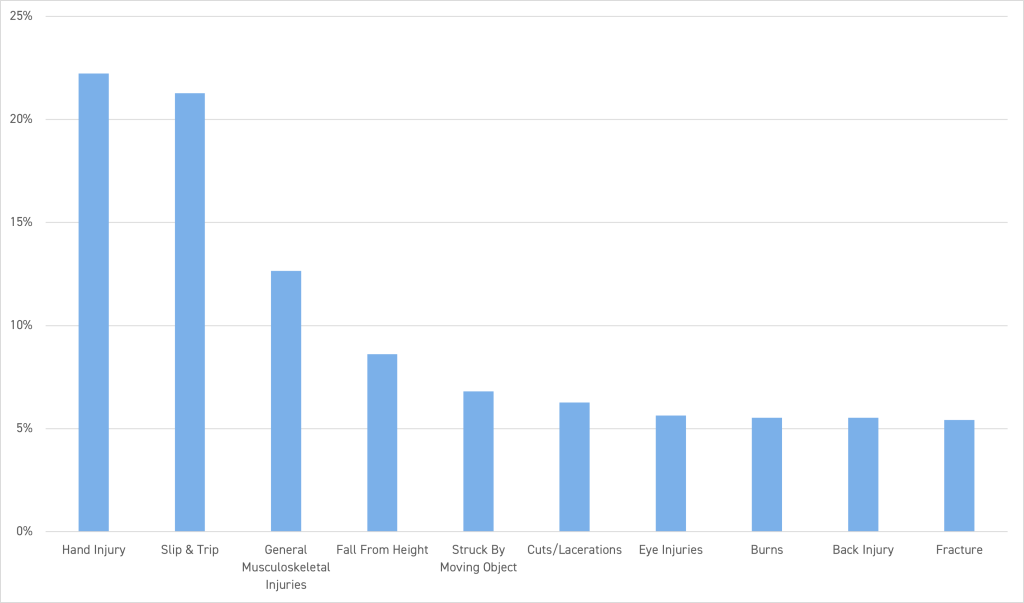
For our injury data, we’ve reported on the claims we see the highest frequency of, whether that be data collected on what caused the injury, or what body part was injured. We’ll be doing a more in-depth analysis of our injury claims data in 2026 so stay tuned for more to come. We’ve highlighted and discussed a few notable injuries below.
Hand Injury
Working at sea is a demanding and challenging profession that requires constant attention to safety. One aspect often overlooked is the prevalence of finger injuries among seafarers. In the confined and dynamic environment of a ship, fingers are susceptible to various hazards, ranging from heavy machinery accidents to repetitive strain injuries.
Hand injuries account for almost 25% of injury claims we receive, with engineers experiencing the highest number of injuries, followed by able seamen.
Medical treatment can range from basic first aid to complex surgeries, with these injuries not only causing pain for the seafarer but also incurring significant costs for shipowners and operators.
Slip & Trip
As the second most common cause of injuries, it is imperative to prevent their occurrence and address risks promptly when discovered. Slipping hazards are generally the results of leakage, spillage or poor housekeeping. Effective preventative measures include adequate maintenance, good operational practices and regular cleaning. Ongoing cleaning (not just upon completion of a task) during maintenance and other work can be overlooked but is vitally important to keep the workplace safe. Slips, trips, and falls can cause life changing injuries and are always avoidable. By encouraging active reporting, establishing robust procedures, and maintaining good housekeeping, their likelihood can be minimised.
Falls from Height
Working at height or over the side of a vessel carries significant risks, including serious falls, dropped objects, ladder failures, and even falling to the sea, often worsened by ship movement and weather. The danger of falling from height also exists at deck level, where tripping risks or unsafe entry into enclosed spaces can lead to collapses or falls. Preventing these incidents relies on thorough risk assessment, proper planning, and where necessary, the consistent use of well-maintained and securely positioned equipment. Clear communication, adherence to procedures, and an understanding of why crew might deviate from them are essential, as is ongoing training through videos and other resources. Wearing the correct PPE and using barriers where needed further reduces the risk, helping to protect crew during height-related operations.
Struck by Moving Object
Ships are busy workplaces where personnel often work close to moving machinery, suspended loads, or vehicles. These moving objects can cause severe injuries or fatalities, making it essential to maintain safe distances using marked walkways, physical barriers, or other controls. When keeping a safe distance isn’t possible, a formal risk assessment should identify additional control measures, and adequate oversight, such as using high-visibility clothing or radio communication, are vital. Workers must be able to stop machinery if needed and ensure equipment is isolated before any maintenance. Following procedures, understanding shipboard operations, and staying alert at all times helps reduce the risk of being struck by moving objects.
Eye Injuries
Many eye-injury cases have been reported, ranging from minor incidents to severe, life-changing injuries that left the affected people with permanent damage to their vision. Many accidents occurred in the engine room, but routine tasks such as sweeping, maintenance, or simply passing close to ongoing work also led to dust, particles or liquids entering the eyes, affecting crew of all ranks. Most cases involved a lack of proper PPE, often because the job was considered routine and the risk underestimated. Incidents typically fell into three categories: equipment failure causing fragments to strike the eye, solid particles entering the eye during everyday operations, and splashes from chemicals or other harmful liquids. Wearing the correct, well-maintained safety goggles or glasses, rather than relying on personal eyewear, greatly reduces the risk and severity of injury, making proper PPE and risk assessment essential for every task.
Maintaining strong health and safety practices at sea relies on recognising everyday risks, using the right equipment, and following established procedures with care and consistency. From preventing injuries to protecting long-term wellbeing, small actions, such as wearing proper PPE, planning tasks thoroughly, and reporting near misses, make a significant difference. Continued training and awareness are essential to keeping crews safe. For more guidance, resources, videos and training opportunities, readers are encouraged to visit the Britannia P&I Loss Prevention website at https://britanniapandi.com/loss-prevention/
 BACK TO KNOWLEDGE